Home › Common Problems › Leaning or Tilting Fence Posts
Leaning or Tilting Fence Posts
in McKinney, TX
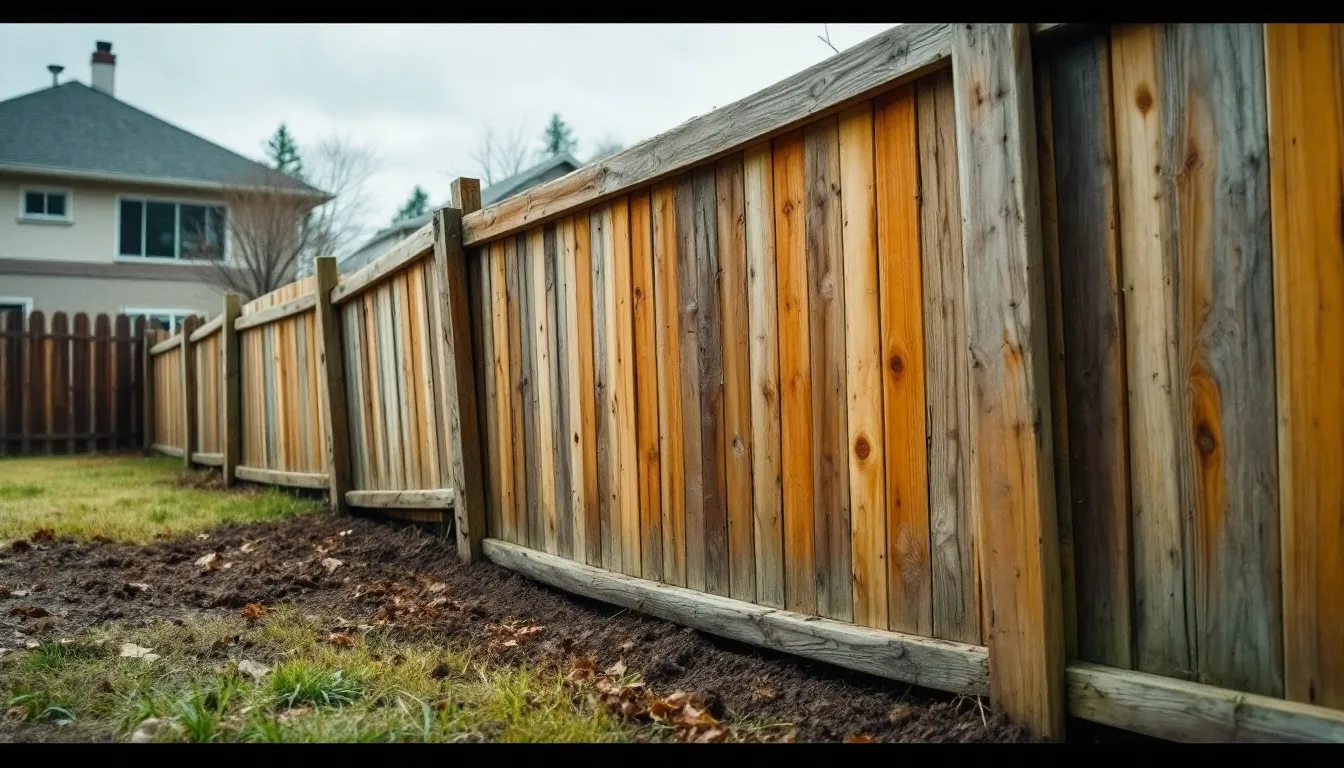
Leaning fence posts are one of the most common calls we get in McKinney. The black clay soil here expands when it gets wet and contracts when it dries, and that cycle happens dozens of times a year. A post that sits in that soil long enough will rock back and forth until it loses its footing and starts to lean.
McKinney Fence Repair Pros helps McKinney, TX homeowners fix leaning or tilting fence posts — call for a free inspection.
Quick Answer
Fence posts lean in McKinney because the heavy clay soil swells when it rains and shrinks when it dries out. That constant movement works the post loose over time. The fix is pulling the post, cleaning out the old concrete, and resetting it with a proper concrete footing that goes deep enough to stay stable. Call for an inspection before the post falls and takes a section of fence with it.
Telltale Signs
Warning Signs to Watch For
- The fence line looks wavy or bowed when you sight down it from one end
- One or more posts lean noticeably away from vertical
- The fence panel attached to the leaning post pulls away from the next panel
- You can rock the post by hand with little effort
- The concrete base around the post is cracked or has heaved up out of the ground
- Gate posts lean so the gate no longer latches without lifting
Root Causes
What Causes Leaning or Tilting Fence Posts?
Clay Soil Expansion and Contraction
McKinney sits on some of the heaviest clay soil in North Texas. When spring rains soak the ground, that clay swells and pushes against the post from all sides. When summer heat dries it out, the clay pulls away and leaves a gap around the post. After a few years of that, the post has worked itself loose.
The Fix
Deep Post Reset with Concrete Footing
We pull the old post, dig the hole deeper than the original — usually below 24 inches to get past the active clay zone — and reset it in fresh concrete. A deeper footing sits in more stable ground and does not rock with the surface clay movement.
Shallow Original Installation
A lot of fences put up quickly by production builders in neighborhoods like Craig Ranch or Stonebridge Ranch were set with posts only 18 inches deep. That is not enough in McKinney soil. A post needs to go at least one-third of its total length into the ground to resist leaning, and shallow posts start moving fast.
The Fix
Post Replacement with Correct Depth
We replace the undersized post with a new one set at the correct depth. In most McKinney yards that means at least 24 to 30 inches down. The right depth keeps the post plumb through wet and dry seasons.
Wood Rot at the Ground Line
Wood posts rot fastest right at the soil line where moisture and air meet. Cedar and pine posts in McKinney yards often show serious rot within 8 to 12 years if they were not treated properly. Once the wood is soft at the base, the post has nothing solid to stand in and it leans under the weight of the fence panel.
The Fix
Rotted Post Replacement
A rotten post cannot be saved by straightening it. We remove it completely and install a new pressure-treated post. For problem spots we can also use a steel post sleeve set in concrete so there is no wood touching the soil at all.
Self-Diagnosis
Which Cause Applies to You?
Check the signs you're observing to narrow down the likely root cause before your inspection.
| What You're Seeing | Clay Soil Expansion and Contraction | Shallow Original Installation | Wood Rot at the Ground Line |
|---|---|---|---|
| Post rocks freely when pushed by hand | |||
| Concrete base has heaved or cracked at the surface | |||
| Post is shorter than neighboring posts, as if it sank | |||
| Wood is dark, soft, or crumbling within the first few inches above the ground | |||
| Multiple posts lean in the same direction along the fence run |
Free Quote
Get a free quote in McKinney
No obligation — tell us what's going on and we'll text you back shortly.
Other Problems
Services That Fix This
Leaning or Tilting Fence Posts Near You
Also Helpful